The Strategic Importance of Vehicle-Specific Driving Courses
Beyond simply matching a student's personal car, driving schools categorize training by vehicle type for several strategic, technical, and regulatory reasons. Tailoring the course to a specific model serves the following purposes:
1. Mastering Dimensional Awareness and Maneuvering
Different vehicles have vastly different physical footprints. Driving courses in a specific category helps a student understand:
Turning Radii: A compact hatchback like a Suzuki Alto has a much tighter turning circle than a sedan. Learning the specific "swing" of a car is vital for U-turns and tight corners.
Blind Spots: Larger vehicles or those with specific pillar designs have different visibility gaps.
Reference Points: Instructors teach students to look at specific parts of the car (like the edge of the hood or the side-view mirror alignment) to judge distance. These points change completely between a small hatchback and a larger car.
2. Licensing and Regulatory Compliance
In many jurisdictions, the vehicle used during driving courses and the final test determines the type of license issued:
Manual vs. Automatic Restriction: If a student learns and tests in an automatic vehicle, their license may be restricted to "Automatic Only." driving courses in a manual vehicle (like a Mehran) ensures a "Universal" license that allows them to drive both.
Vehicle Class: driving courses are often categorized to ensure the student is practicing in the correct weight class (Light Transport Vehicle vs. Heavy Transport Vehicle) required for their specific permit.
3. Adapting to Modern Technology (ADAS)
Modern vehicles are equipped with Advanced Driver Assistance Systems that older models lack. Categorized driving courses allows students to learn:
Sensor Reliance: Learning how to use (and not over-rely on) reverse cameras and parking sensors.
Electronic Braking: Understanding the feel of Anti-lock Braking Systems (ABS) versus traditional pumping of brakes in older models.
Drive Modes: Learning how "Eco" or "Sport" modes affect throttle response and fuel consumption.
4. Psychological Comfort and Anxiety Reduction
Driving anxiety is a significant hurdle for new learners.
Predictability: If a student knows they will be driving a specific car at home, learning in that exact model removes the "fear of the unknown."
Consistency: It allows the student to build muscle memory for the specific weight of the steering wheel and the sensitivity of the pedals, which varies significantly between manufacturers.
5. Optimizing for the Practical Test
Licensing authorities often use specific vehicle types for the "cone test" or "slalom test."
Some students seek driving courses for specific career paths:
Ride-Hailing Standards: Those looking to drive for services like Uber or Careem often choose modern, fuel-efficient hatchbacks to understand the specific ergonomics and tech-integration (GPS mounting, charging ports) relevant to that job.
Chauffeur Driving Course: Students aiming for professional driving roles may opt for sedan-specific courses to master the "smoothness" required for passenger comfort, which is different from the "nippy" driving style of a small city car.
Beyond basic operation, driving courses on specific vehicle types ensures that learners are prepared for the unique technical, psychological, and regulatory demands of modern driving.
Manual Cars
What it Teaches: As a classic manual vehicle, the manual car is the gold standard for learning "clutch bite" points and gear synchronization. Students learn the mechanical feel of the car, which is essential for mastering manual transmission.
Difficulty Level: High (due to manual gear shifts and lack of power steering in older models).
Ideal For: Beginners who want to build a strong foundation in manual driving.
Manual & Automatic Cars
What it Teaches: The modern manual and automatic cars provide a smoother transition into contemporary city driving.
Manual: Focuses on precise gear shifting and fuel-efficient driving techniques.
Automatic: Focuses on throttle control, braking distances, and navigating heavy traffic without the complexity of a clutch.
Difficulty Level: Medium.
Ideal For: Students who plan on driving modern hatchbacks.
Automatic Cars
What it Teaches:Driving course on an automatic car import emphasizes the use of eco-idle features, electronic stability, and compact parking maneuvers.
Difficulty Level: Low to Medium.
Ideal For: Urban commuters and those who prefer the convenience of automatic transmissions.
Driving Courses Modules: Theoretical vs. Practical
A complete driving education is split into two distinct phases. Mastering one without the other leads to incomplete road awareness.
Theoretical Driving Course
Theoretical sessions are designed to prepare students for the mandatory traffic sign test and the oral exam. Key topics include:
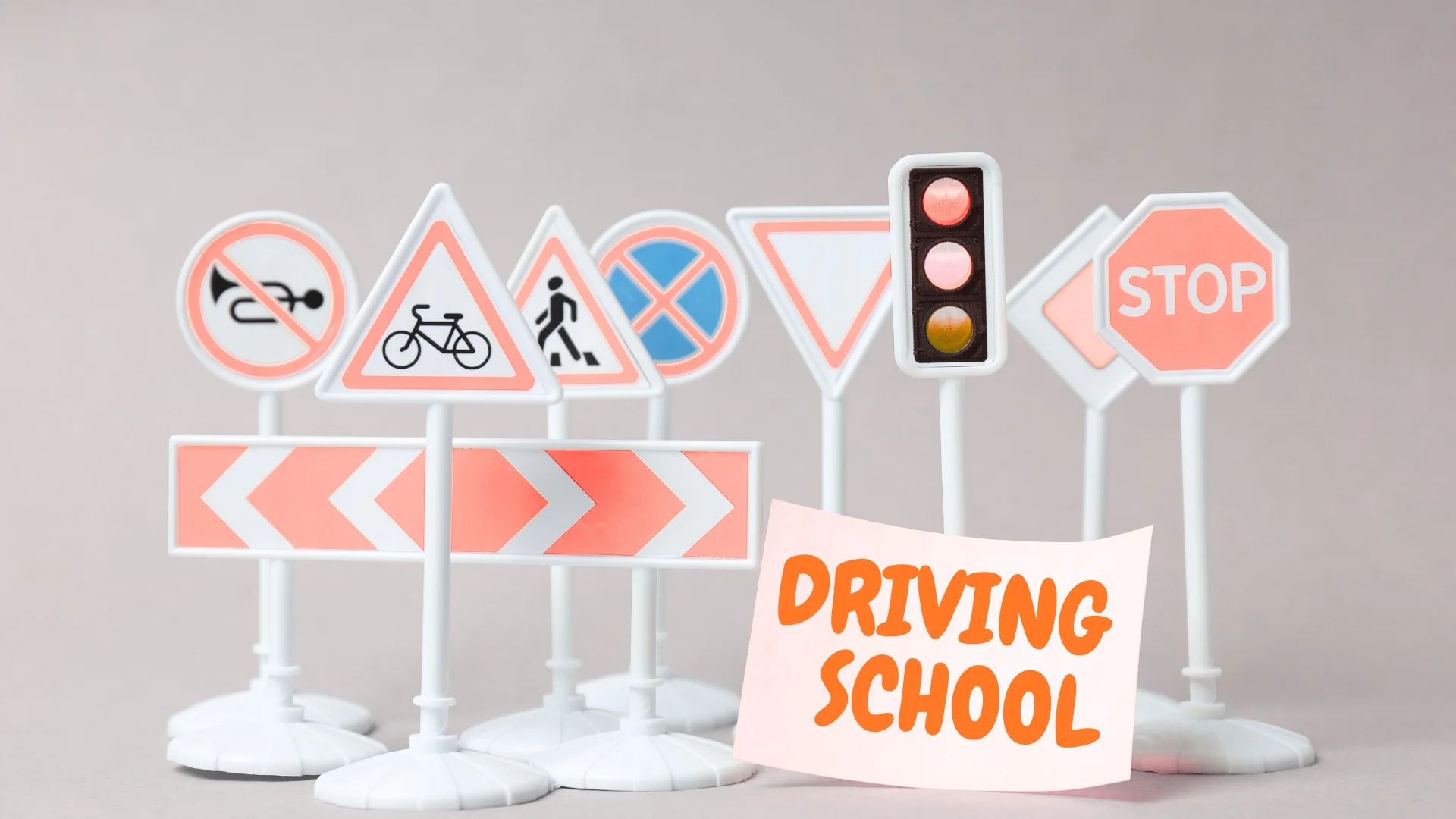
Traffic Sign Identification: Mandatory, cautionary, and informative signs.
Right-of-Way Rules: Navigating roundabouts, intersections, and U-turns.
Legal Knowledge: Speed limits, documentation requirements, and traffic fine structures.
Practical Driving Course
Practical sessions move the student from the classroom to the steering wheel.
Basic Control: Steering grip, pedal placement, and mirror adjustment.
Maneuvering: Reverse S-parking, parallel parking, and L-turns (crucial for passing the driving test).
On-Road Experience: Driving in light to heavy traffic, lane discipline, and defensive driving.
Duration and Pricing Structures
Pricing is generally determined by the number of days and the type of vehicle selected. Most standard programs are structured into 7-day, 10-day, or 15-day courses.
Course Type
Vehicle
Approximate Duration
Estimated Fee Range (PKR)
Basic Manual
Suzuki Mehran
7 - 10 Days
6,000 - 8,500
Standard Manual
Suzuki Alto
10 Days
8,000 - 10,000
Automatic Specialist
Suzuki Alto / Mira
10 Days
9,000 - 12,000
Extended Course
Any Vehicle
15 Days
12,000 - 15,000
Note: Some schools offer "Double Turn" options (30-minute to 1-hour sessions) which can affect the final price. Executive packages that include door-to-door pick-up and drop-off services typically carry a premium of 2,000 - 3,000 PKR above the standard rate.
Key Factors for Success
To pass a driving test on the first attempt, students should focus on the following:
Consistency: Daily practice is more effective than long, infrequent sessions.
The "L" Plate: Ensure the vehicle is marked correctly during driving courses to alert other drivers.
Reverse Mastery: Most driving tests are failed during the reverse maneuver. Spend at least 30% of your practical time on reversing and parking.
Mock Tests: Request the instructor to conduct a mock test according to the local licensing authority's standards (e.g., driving through cones without touching them).
Essential Skill Checklist
Before concluding a driving course, every student should be proficient in:
Starting the car on an incline (Hill start) without rolling back.
Using all three mirrors effectively before changing lanes.
Understanding hand signals in case of indicator failure.
Emergency braking procedures.
Our Reviews
30 reviews from our
students
RS
Rajia Saeed
“
I had a great experience learning with Ma'am Nayyar. I was very nervous when I started, but her patience and encouragement helped me build confidence and overcome my fear of driving.
AR
Abeeha Rehan
“
I had an excellent experience with King Driving School! As someone who had never driven before, it was exciting and really comfortable learning from Ma'am Laiba. She was friendly and helpful, and I a hundred percent recommend her to anyone who signs up for their driving lessons.
AM
Ayesha Malik
“
Ma'am Nusrat is an outstanding driving instructor who genuinely cares about her students' success. She creates a relaxed learning environment and gives practical tips that are easy to remember.
NQ
Naimah Qazi
“
I recently booked a 10-day driving package from King Driving School. My instructor Miss Tasneem did an incredible job. During these 10 days Miss Tasneem taught me really well with patience. I am very satisfied with King Driving School and especially my instructor.
KS
Kiran Salman
“
I had a great experience learning automatic driving at King Driving School. My instructor, Miss Sadaf, was patient, professional, and explained everything clearly, which made learning easy and helped me build confidence behind the wheel.
TJ
Tabinda Javed
“
Excellent driving instructor — Ma'am Sadaf. Very patient, professional, and friendly. She explains everything clearly and makes you feel confident behind the wheel. Her teaching style is easy to understand, and I learned a lot from every lesson. Highly recommended!
AM
Anmol Muskan
“
I'm 32 years old and I had never ridden a bike after marriage. I was very scared. I saw an ad for King Driving on Facebook and tried it. On the very first day, they took away 70% of my fear. They teach me very patiently.
HK
Haleema Khan
“
My daughter learnt bike from Anila ma'am and honestly it was the best decision. She was absolutely zero and was very scared too. But Anila ma'am explained every step with love and never got angry.
AR
Aliza Raj
“
I am truly grateful to Teacher Anila from King Driving School. She taught me scooty from the very basics with so much patience and clarity. Every step was explained in detail and all my confusions were cleared in a very calm way.
HA
Hussain Ahmad
“
I had an excellent experience with Ma'am Hania (PWD Branch). She is an outstanding instructor who is professional, calm and highly supportive. She explained everything clearly and helped me feel confident and comfortable while driving.
GN
Ghazia Naeem
“
I have a great experience with Ma'am Sajida (I-10 branch). She is so sweet and humble. I learned a lot from her — she guided me through everything. Now I feel I chose the right instructor for my driving.
HW
Hafsa Waqar
“
I had the pleasure of learning to drive with Miss Sajida and I couldn't have asked for a better teacher. She is very nice, calm, and encouraging. Even when I made mistakes she explained things with so much patience and made me feel comfortable. Thanks to her guidance, I passed my test with confidence. Highly recommend her!
SR
Samia Rashid
“
I completed 20 days of driving lessons at King Driving School. The instructor Ma'am Sonia was highly professional, patient, and provided clear guidance throughout. My confidence and driving skills improved significantly. I would definitely recommend this school.
AA
Ayesha Ali
“
I took manual car classes with Ms Fatimah at King Driving School. She is very polite, patient, and explains everything clearly. She helped me overcome my fear of driving manual. 5 stars!
SB
Samina Bukhari
“
I did a 10-day crash course with King Driving School and my instructor was Ms. Zara. Over our 10 days together, her exceptional technical knowledge and structured approach completely transformed my driving.
ZA
Zahra Ali
“
I had an extremely good learning experience with Ma'am Ghazala at King Driving School. She taught me how to drive manual properly in just three days with extensive practice. She is a great instructor who reinforces mistakes and is very patient and professional.
MW
Maria Wassan
“
I had a wonderful experience learning driving from Ma'am Kaneez at King Driving School. She is extremely kind, patient, and professional. She guided me with great care and explained everything clearly and step by step.
TZ
Tooba Zahoor
“
I loved my experience with King Driving School. They took criticism well and responded to every problem encountered. My driving instructor Ma'am Kaneez was extremely polite and respectful.
F
Faiza
“
I'm from the UK. Fantastic experience learning to drive with Ma'am Bushra. She creates a highly comfortable, relaxed, and judgment-free learning environment, which made a huge difference for me. I highly recommend my instructor!
HS
Harmann Shahid
“
Best driving school in Islamabad! I learned with Instructor Munawer Abbas and he is amazing.
IP
Ijaz Prince
“
I had a great experience with King Driving School. At first, I wasn't comfortable with my instructor, but Wahab Sir discussed it with his boss and quickly arranged Sir Asif for me.
AT
Ayesha Tahir
“
I had a great experience learning to drive from Sir Asif at King Driving School. I completed a 15-day driving course, and throughout the course, Sir Asif was extremely professional, patient, supportive, and knowledgeable.
MH
Moizz ul Haque
“
Sir Asif really helped me. By the 10th day in our 15-day course I was doing everything from driving on a straight road to parallel parking, and I feel really confident when driving. Would recommend 100%.
MS
Muhammad Shaiel
“
I had the pleasure of having Sir Naveed as my instructor for an hour session on the L-shape test. He stayed patient with me as I practiced, correcting my mistakes and guiding me through the turn. Thanks to his guidance, I have passed my license test Alhamdulillah.
UT
Usama Tariq
“
Very professional team, especially Mr. Naveed from whom I took classes and Alhamdulillah got my licence on first attempt.
AV
A.Ayesha Vlogs
“
I have taken admission in King Driving School and had a very great experience! My instructor, Mam Sadaf, guided me very well and helped build my confidence. She made me feel comfortable, and her friendly nature made the learning process enjoyable. I highly recommend her!
NS
Nida Sadiq
“
I had a great experience learning to drive with Mam Seema. She is very nice, humble, and professional. Her teaching style is encouraging and clear, making me a more confident driver. I highly recommend her as an instructor.
HL
Hana Lee
“
I took a five-day driving lesson course with Ma’am Sadaf. I had never driven before, but thanks to her, I gained a lot of confidence in my driving. She made sure I was calm throughout my lessons and consistently checked up on me. I am very grateful for this opportunity.
SJ
Soha Jehangir
“
I had the pleasure of learning driving from Miss Seema. She is incredibly patient and professional. Her dedication is extremely appreciable, and I can safely say she has instilled confidence in me to become a great driver. I highly recommend her for a calm and smooth learning experience.
AA
Anooshay Abbasi
“
I have had a great experience at King Driving School. My instructor, Mrs. Sajida, is honestly a very good teacher with a lot of patience. She has never shouted or shown any attitude. Thanks to her, I passed my exam on the first attempt and truly enjoyed the entire learning experience.